Drifting: the birth of an art form
From mountain passes to sold-out stadiums, drifting has grown into a massive motoring genre. But how did it come about, and who are we to thank for it?
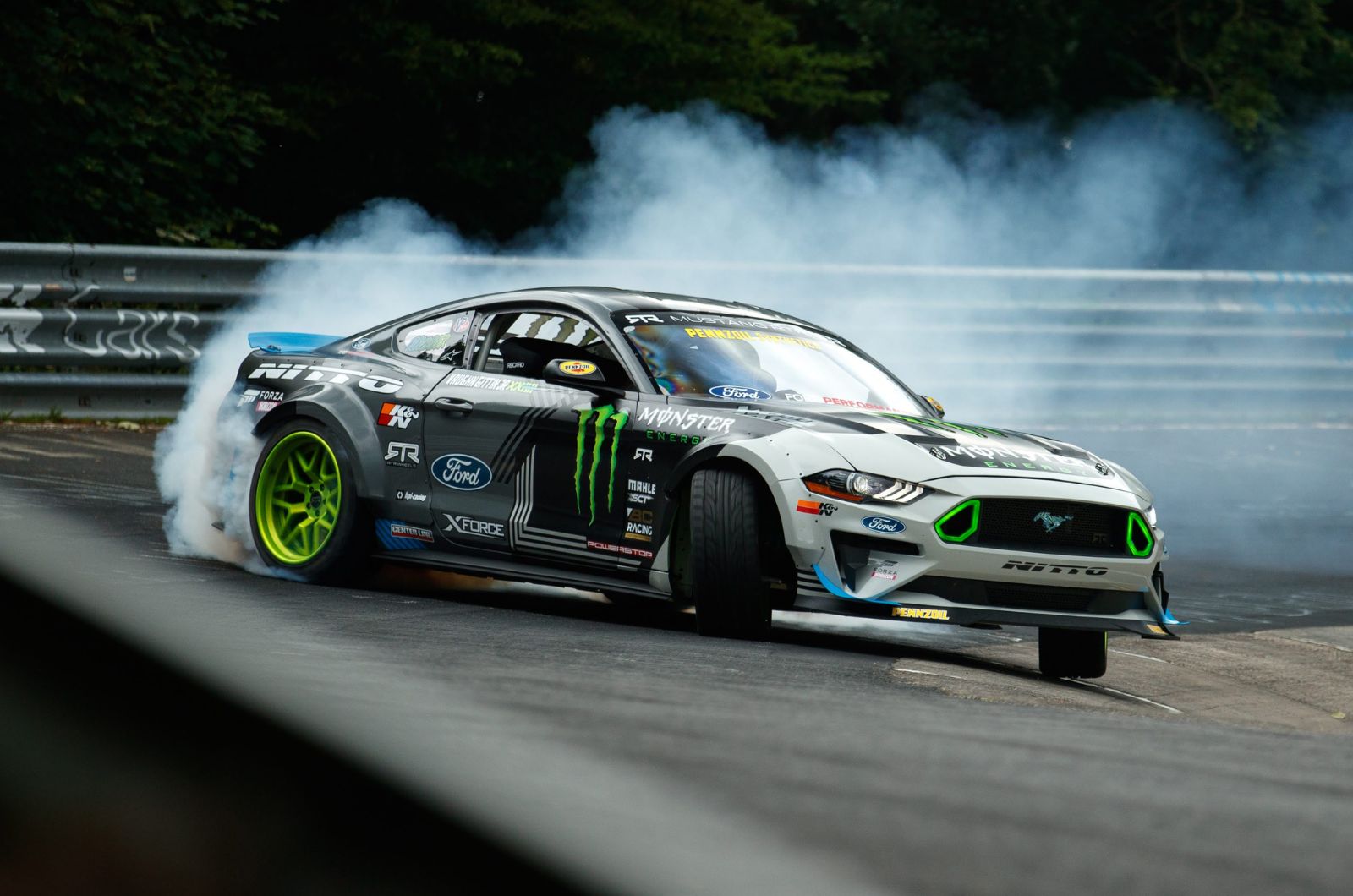
Art. It’s a simple three-letter word, and yet its definition is as broad as human history itself. Lionel Messi dribbling through a cluster of defenders? Art. Marco Pierre White delicately dressing a lobster ravioli? Art. Keiichi Tsuchiya pitching an AE86 Corolla at 90 degrees, followed by an avalanche of smoke, rubber and noise? Very much art.
Tsuchiya is one of drifting’s great innovators for two main reasons. Firstly, he refined its early techniques. Secondly, he was pivotal in turning it from an illegal mountain-road thrill into a highly respected global motorsport. But while he is an important part of the story, the foundations of modern drifting were actually laid by someone else.
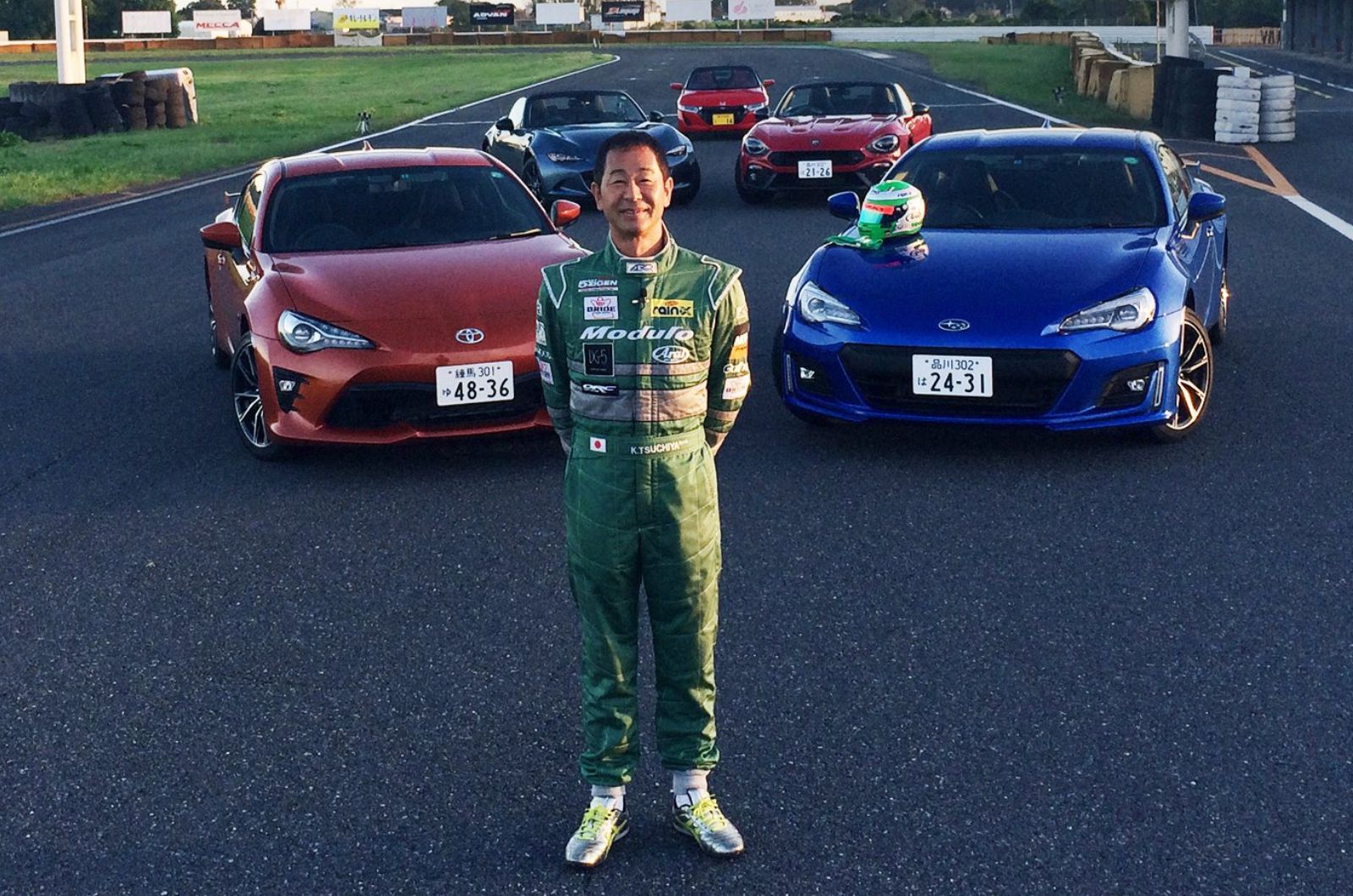
The late Kunimitsu Takahashi (otherwise known as Kuni-san) was born in the 1940s in Tokyo. He was the son of a renowned motorcycle dealer, which, naturally, meant his formative years were spent surrounded by two-wheelers. There’s little record of when he started riding, but by his teenage years he was already a master of vehicle control.
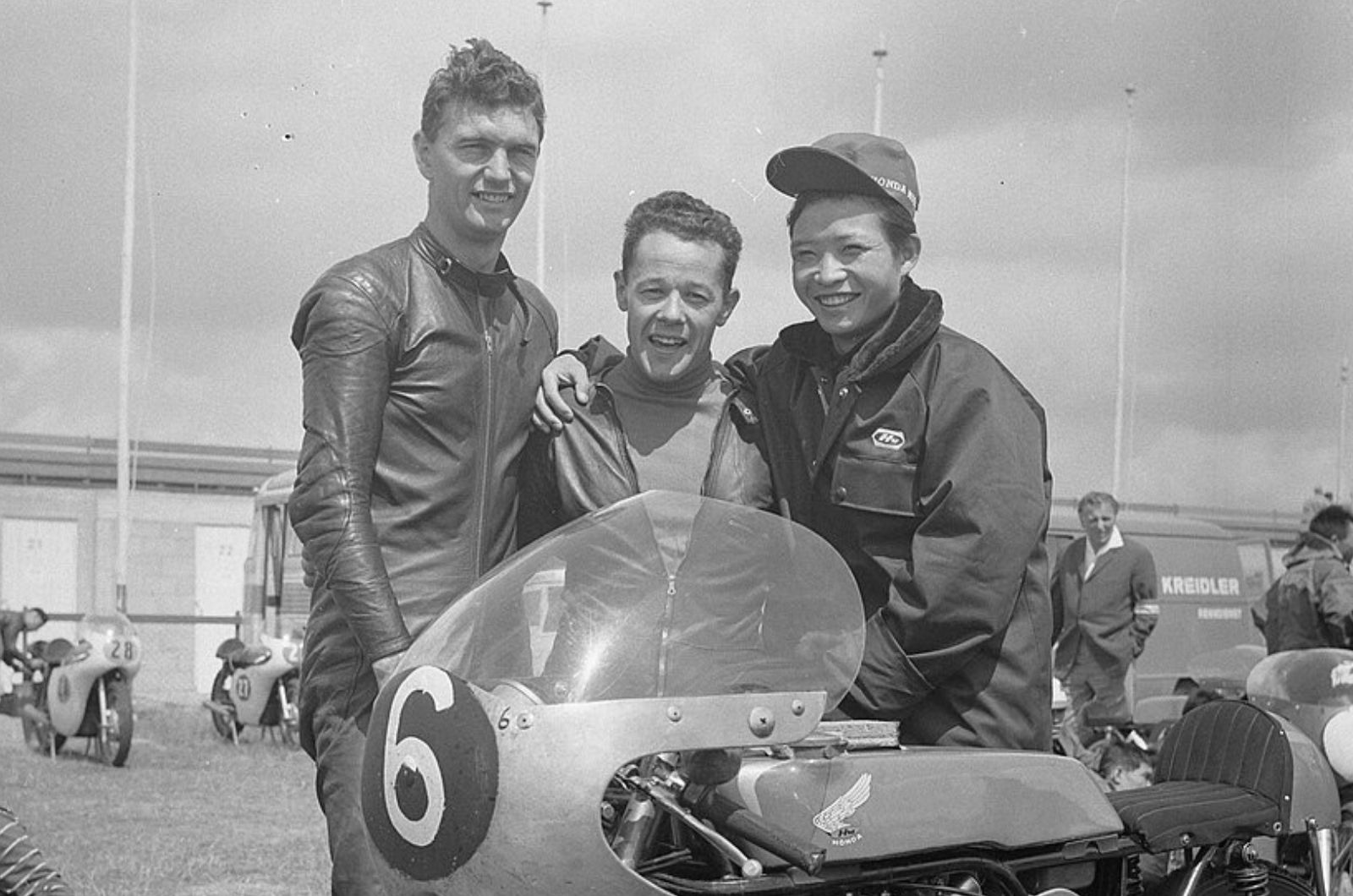
Kuni-san entered his first competitive motorcycle event – the 1958 All-Japan Clubman Race – at the age of 18… and won. Just three years later, he would become the first Japanese rider to win a World Grand Prix (in West Germany), doing so as a Honda works rider. A serious crash in 1962 effectively forced him to switch to four wheels, but unbeknownst to him, this decision would be the beginning of his legend.
By the late ‘60s, Kuni-san was managing and driving for Nissan’s main touring car team, using a tricked-out version of the first Skyline GT-R. Tyre technology was still in its nascent stages at the time, meaning the powerful racing cars of the era could easily overwhelm the available grip.
As is still the case today, corner entries are defined by three key moments: braking in a straight line, hitting the apex, and accelerating out. But due to the unpredictable nature of the tyres back then, using this approach with the GT-R would result in lots of understeer turning into a corner, followed by violent snap oversteer when the throttle was reapplied. In the midst of all the chaos, though, Kuni-san started to notice something.
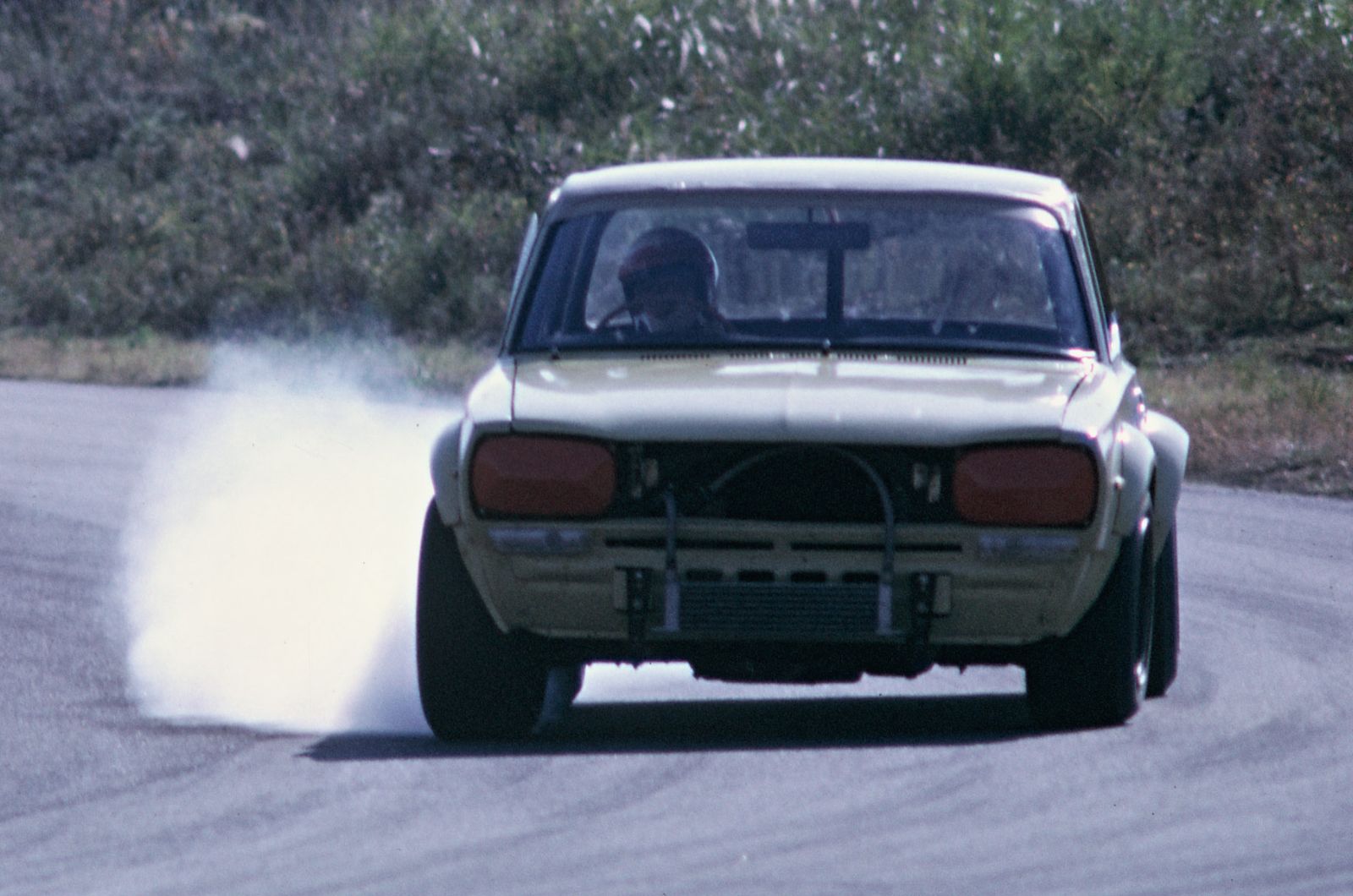
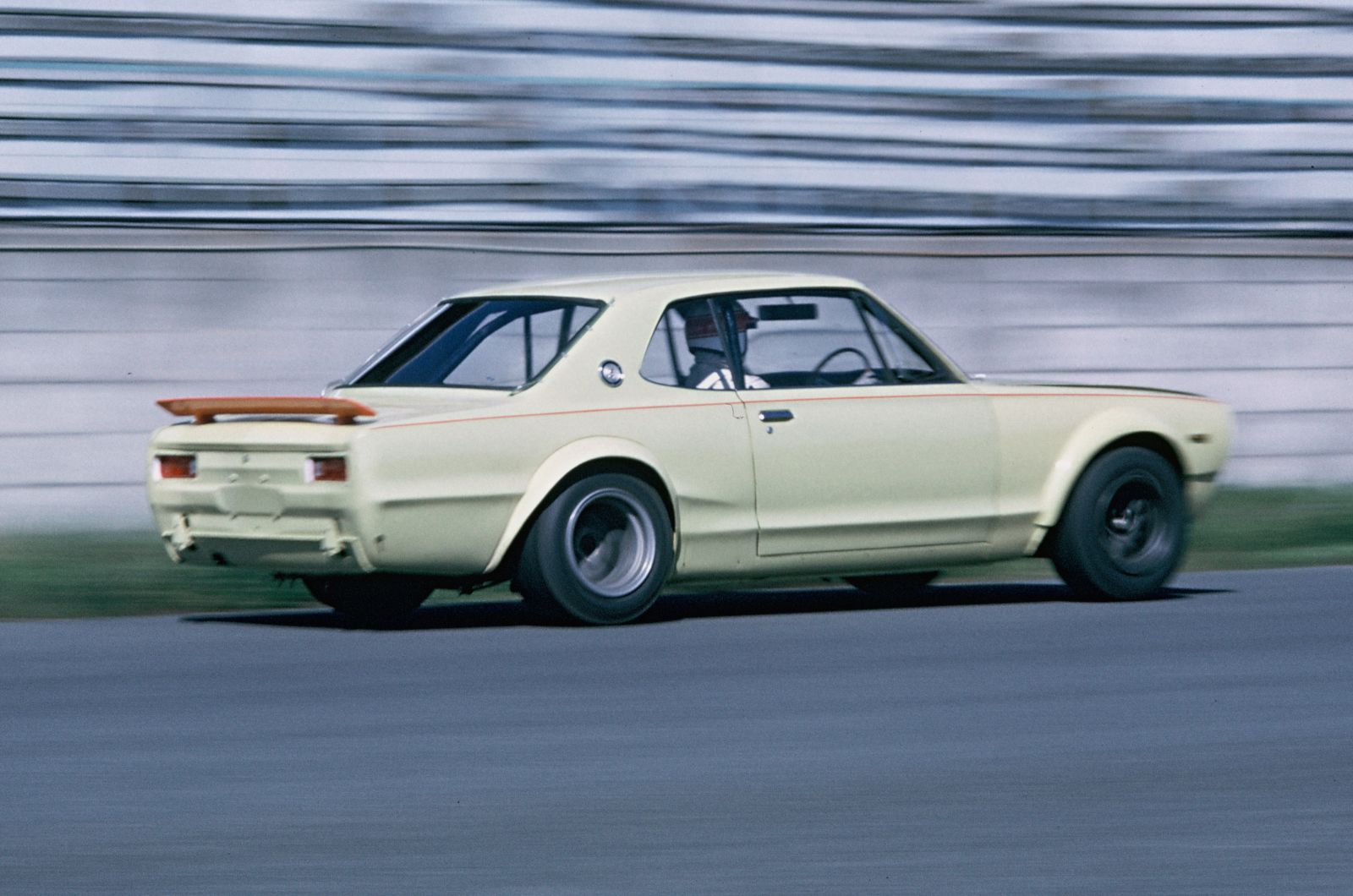
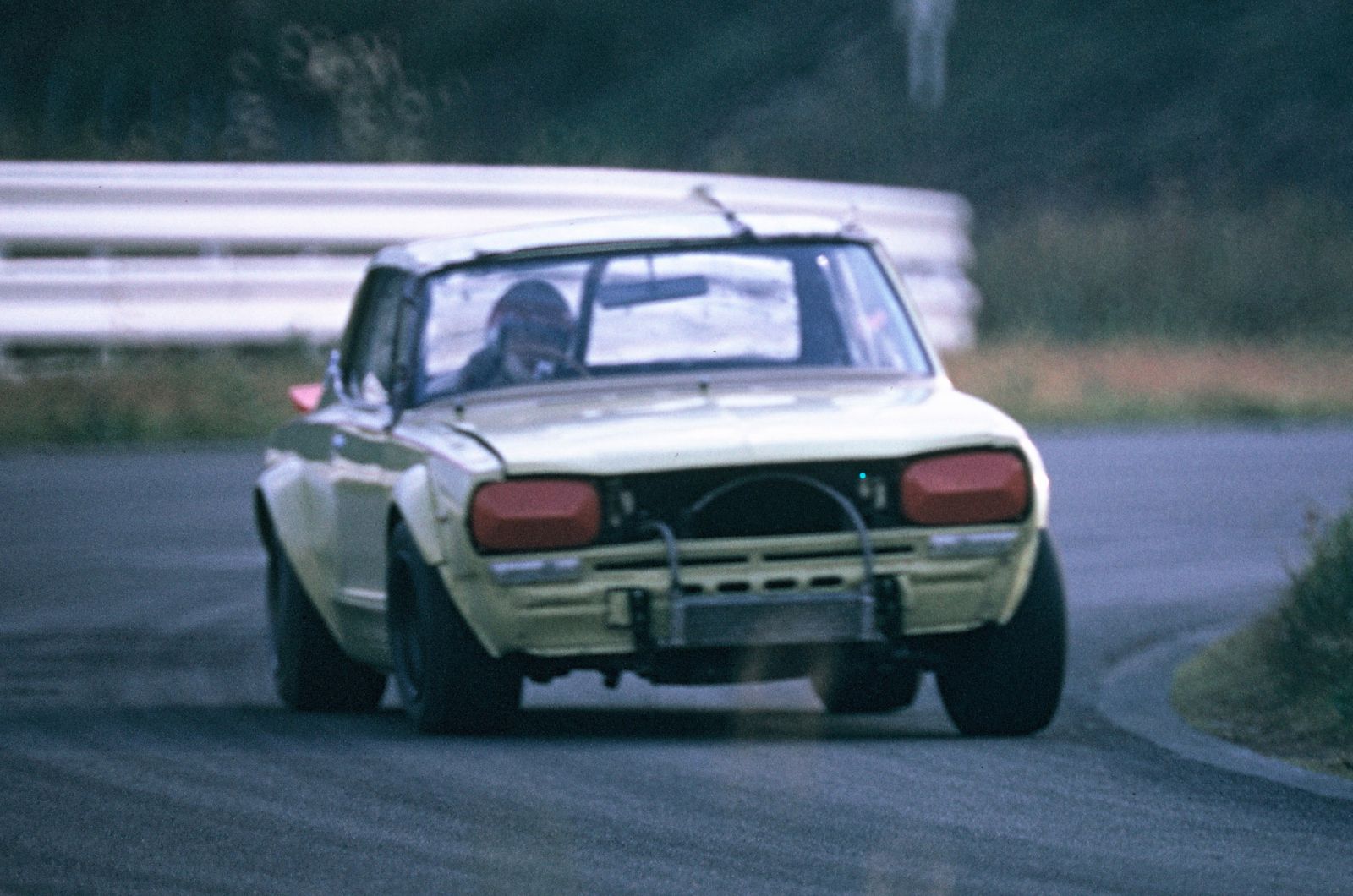
If he approached a corner at full pelt and trail-braked while simultaneously turning the wheel, which forced the GT-R to pitch forward, the sudden weight shift caused the rear to slip. Instead of counter-steering to correct the slide, Kuni-san would control the slip by modulating the throttle. This allowed him to position the car in such a way that its nose was already pointing in the direction the tarmac was going, before the apex had even arrived.
The technique was magnificent, but it was devastatingly effective too, allowing Kuni-san to record over 50 victories in three years for Nissan. It wasn’t just effective; it looked epic too. When he realised the excitement in the crowd shot through the roof whenever they watched him, he began to care less about cornering efficiency and more about entertaining. He called it the high slip-angle turn. To the rest of the world, we know it as drifting.
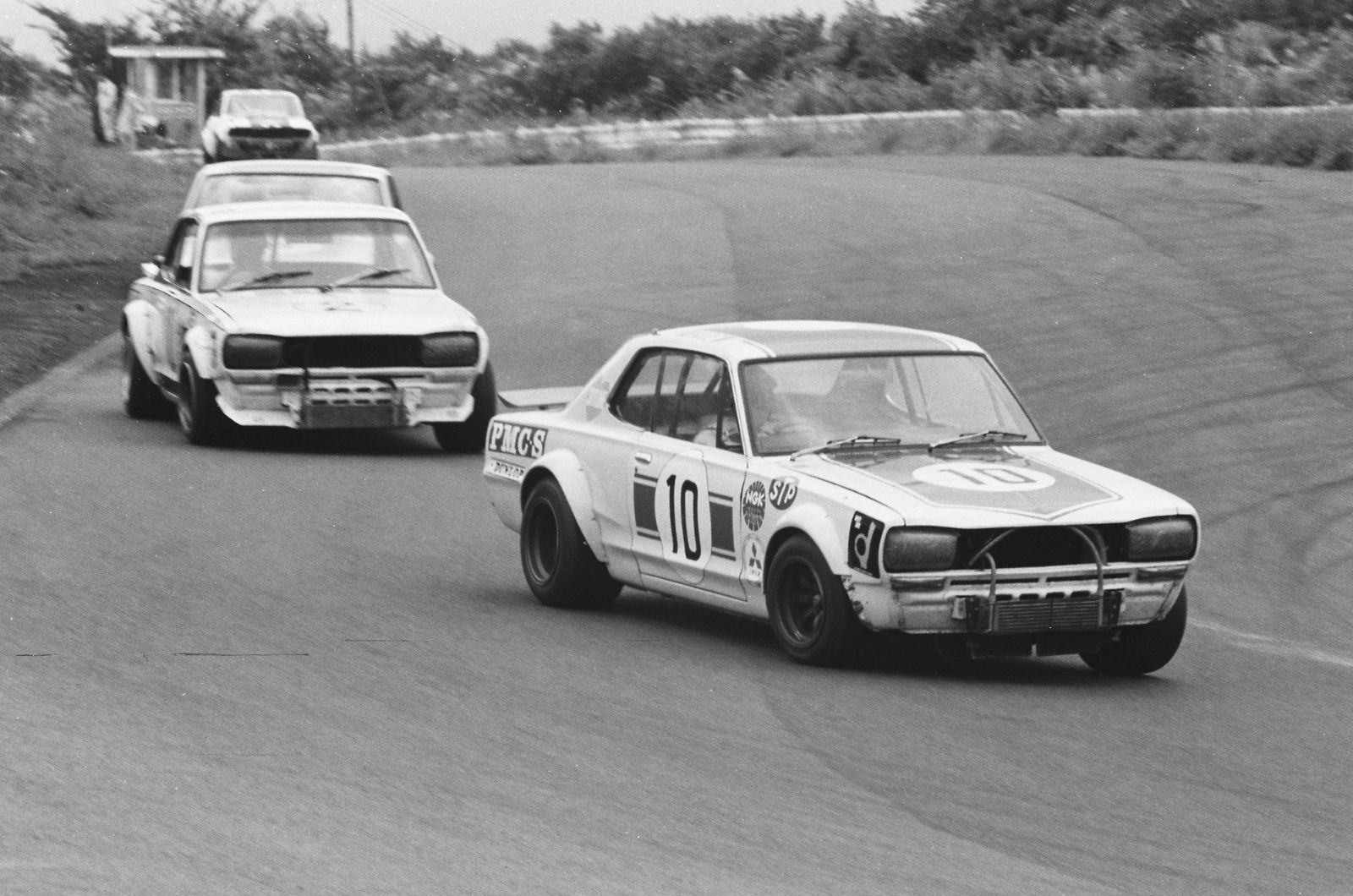
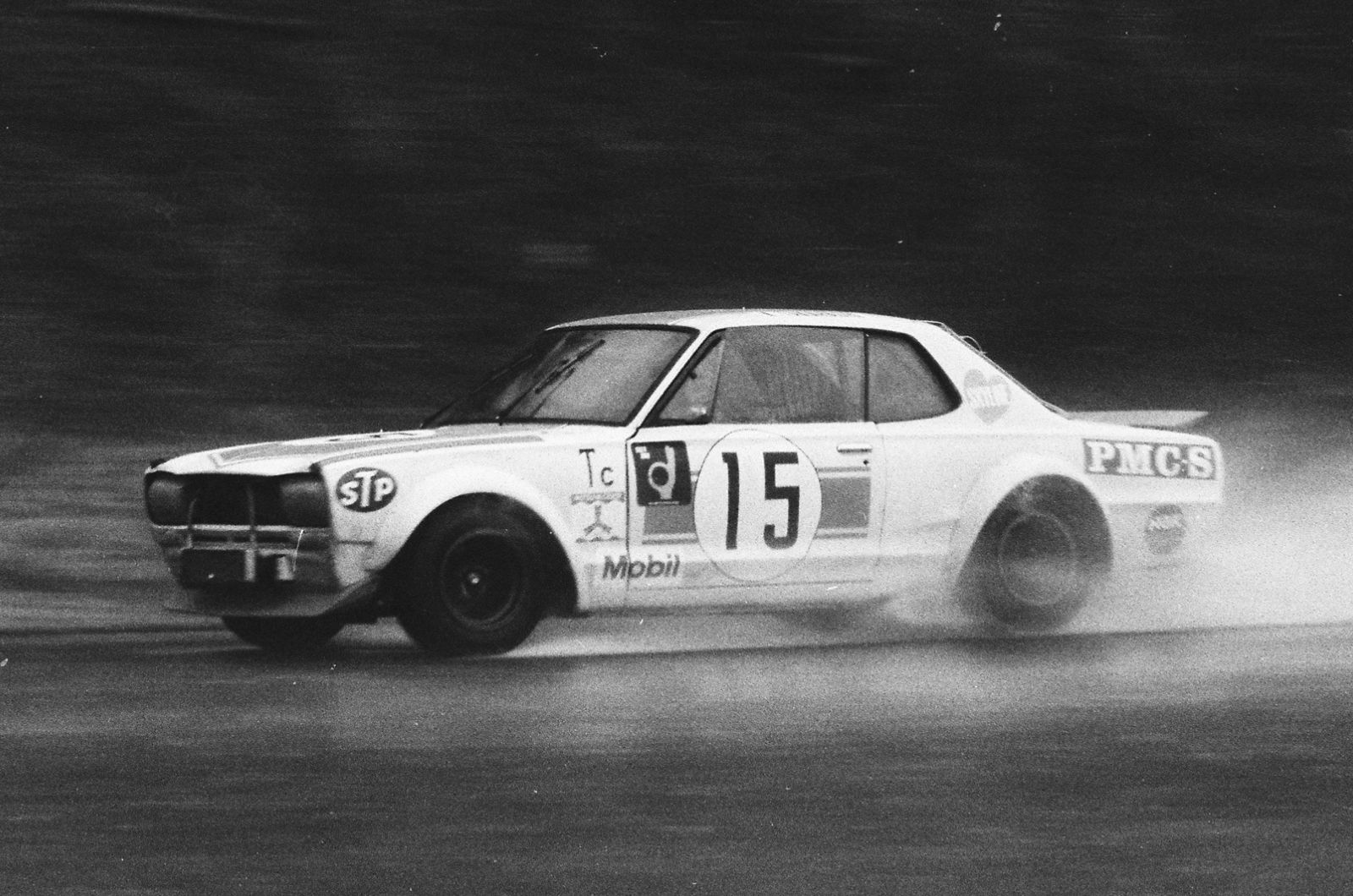
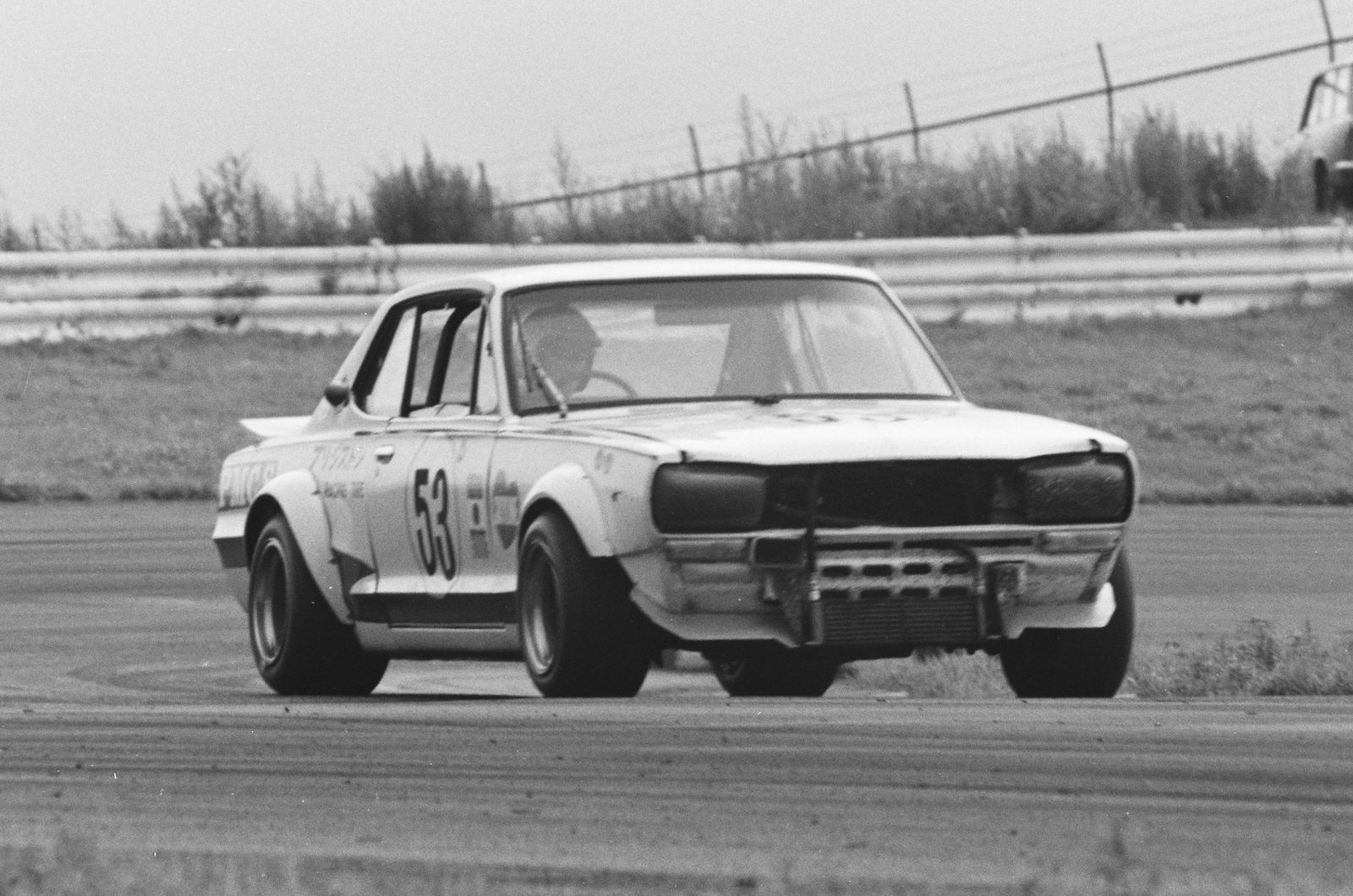
Of course, intentionally getting a car sideways wasn't a new thing at that point. Professional drivers as far back as the ‘30s would intentionally trigger four-wheel powerslides as a way of managing low-grip tyres, which would allow them to find a little extra pace through corners. But what made Kuni-san the founding father of modern drifting was that he rewrote the purpose of the slide – turning it from a subtle racing technique into a high-angle spectacle.
Kuni-san’s unconventional driving style eventually caught the eye of a young Keiichi Tsuchiya. He came from humble beginnings and didn’t have access to the sort of vehicles and garages that a lot of other would-be racing drivers did. Instead, he poured his time, money and effort into practising whenever and wherever he could, using whatever he had available. After seeing what Kuni-san was doing, Tsuchiya wanted to harness those teachings into a full-blown discipline.
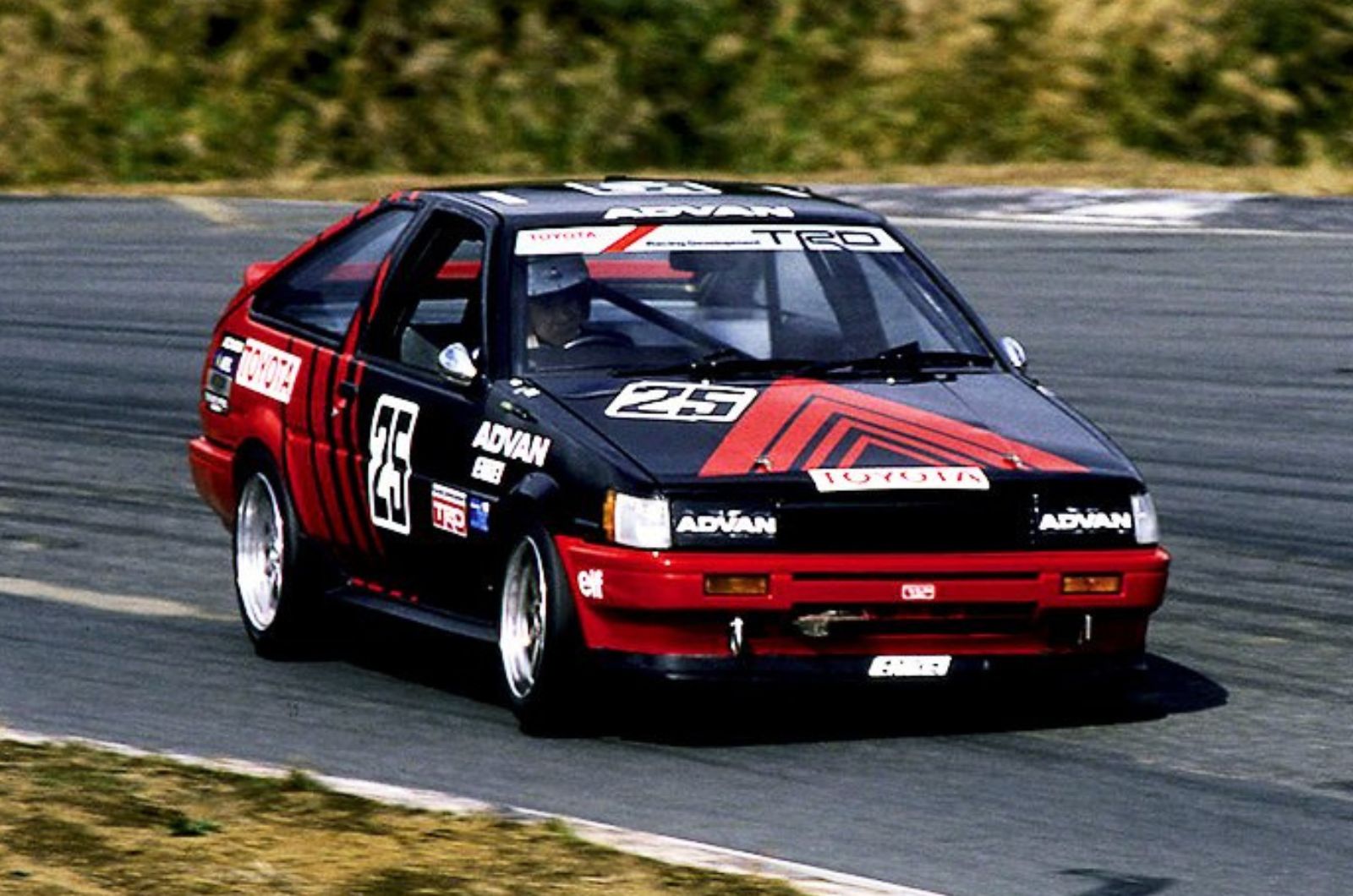
He started practising along the snow-capped mountain passes of Nagano in an AE86. There, he formulated a calculated, step-by-step method for initiating a drift on tarmac, showing that it wasn’t simply about getting a car to slide, but choosing the right technique for the anatomy of each corner. One of these approaches is called a ‘clutch kick’, where you press the clutch down before letting it jump back up mid-corner to send a shockwave of revs to the rear axle.
By deliberately sticking with underpowered cars rather than Japan's lengthy roster of A-listers – like the RX-7 or S14 Silvia – Tsuchiya showed that drifting was about driver skill, timing and an understanding of weight transfer, rather than brute force. He put those lessons to the test in the 1977 Fuji Freshman series, where he scored a handful of podiums behind the wheel of a B110-generation Nissan Sunny. More importantly, though, he amassed a huge following because of his unconventional, crowd-pleasing driving style.
Fast-forward a decade, and Tsuchiya’s work had begun to bear fruit. Drifting was making headlines beyond Japan and seeping into car scenes around the world. It was becoming a way of life for some, and Tsuchiya, well aware of its growing prominence, saw an opportunity to really help things explode.
He partnered with a host of Japanese car magazines to market the release of Pluspy – a 23-minute-long video showcasing him masterfully drifting through a series of mountain roads in his AE86. It had everything people wanted to see: lots of revs, counter-steering, bellowing smoke, the lot. The video is widely regarded as one of the defining moments in the emergence of drifting as an automotive subculture, and Tsuchiya didn’t stop there.
In 1989, he teamed up with a chap called Daijiro Inada, who founded both the Tokyo Auto Salon, one of the world’s biggest modified car shows, and Option magazine, a popular print title focused on tuner car culture. Together, Tsuchiya and Inada formed Ikaten, otherwise known as the All Japan Drift Champion tournament.
Ikaten marked a huge turning point for drifting, because for the first time, street racers were able to take their skills to a legal track environment to battle it out under the watchful eyes of judges. Its success eventually led to the formation of a professional drift league at the turn of the millennium, which is now known as the D1 Grand Prix.
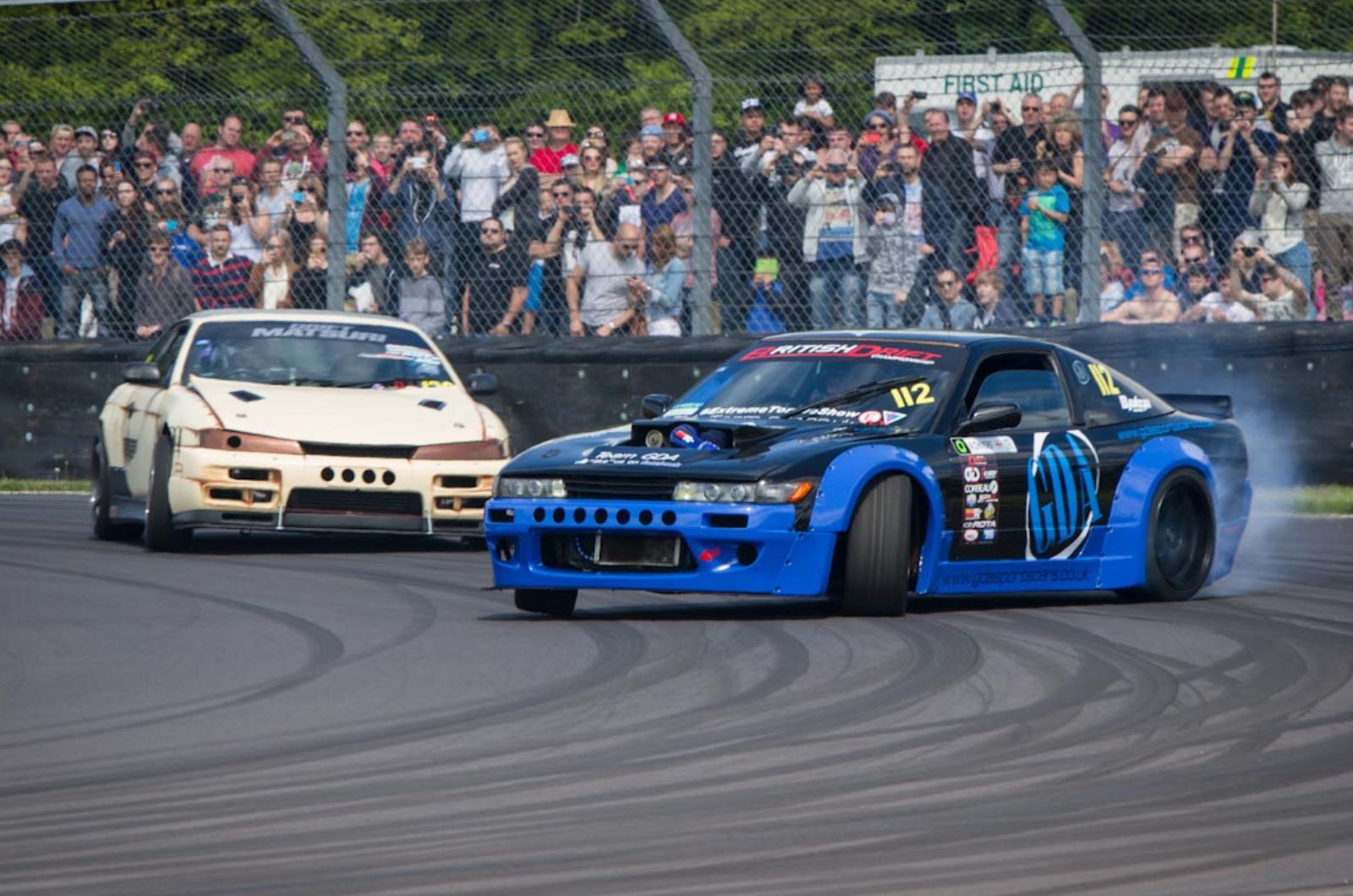
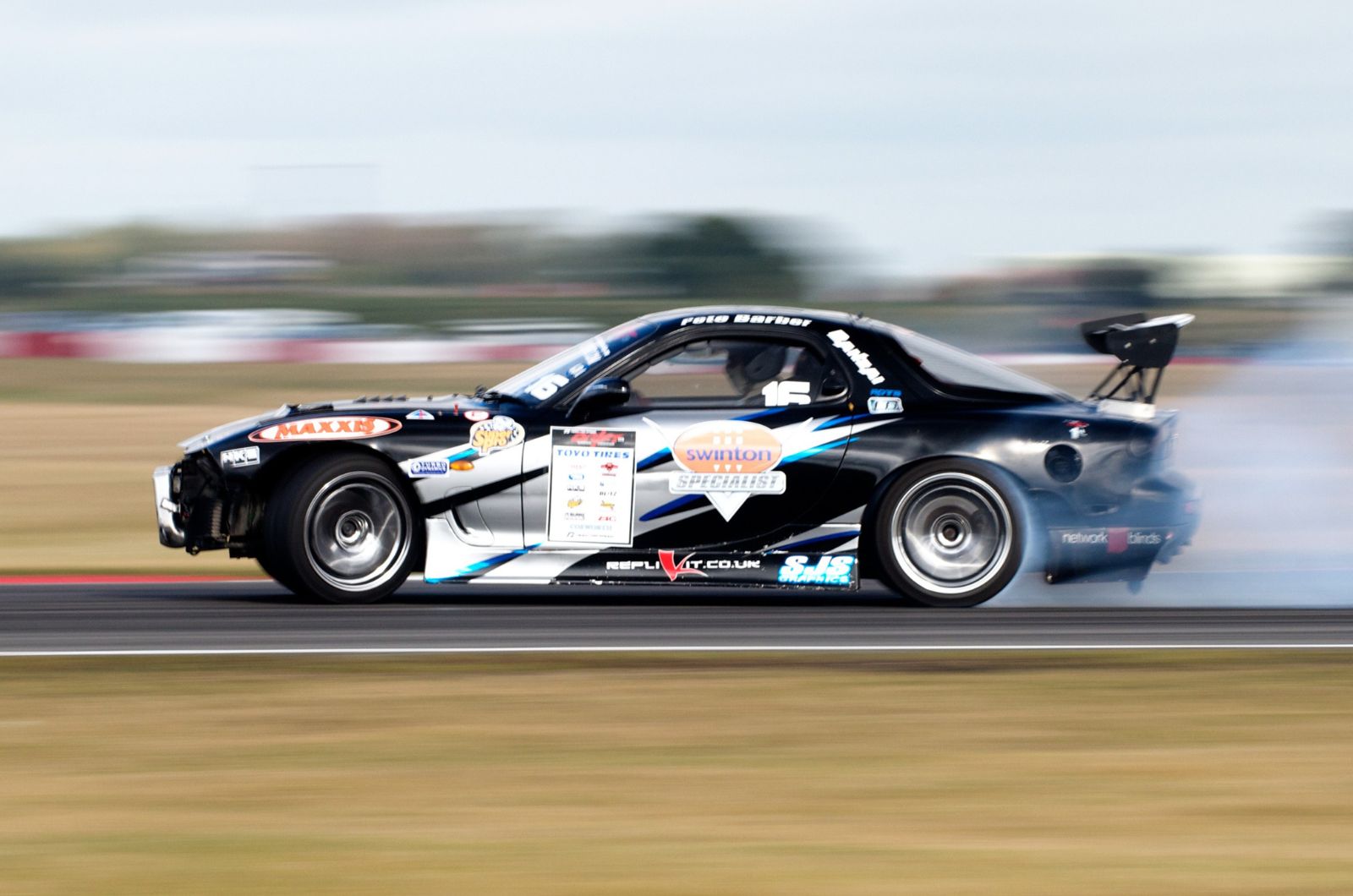
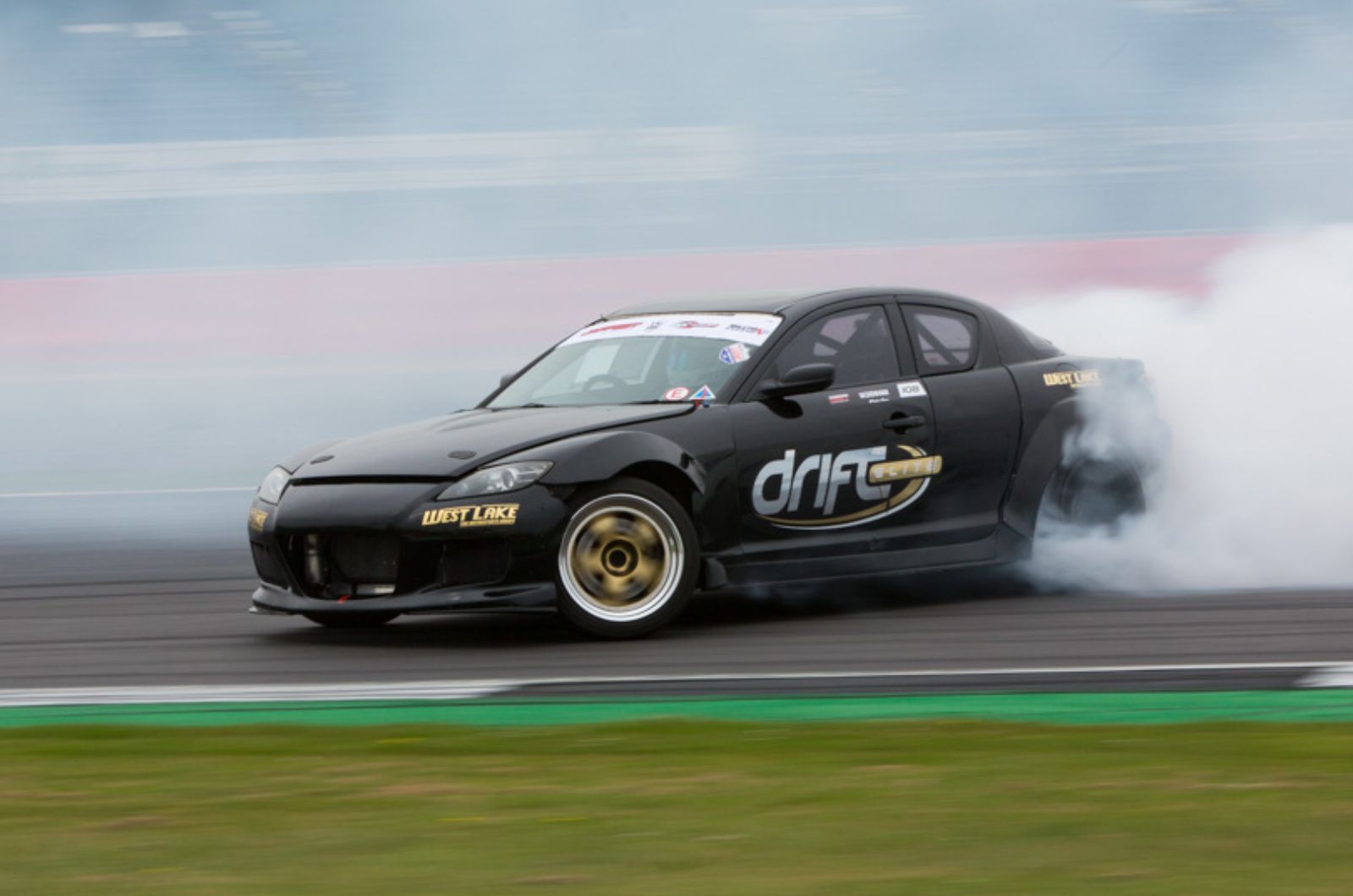
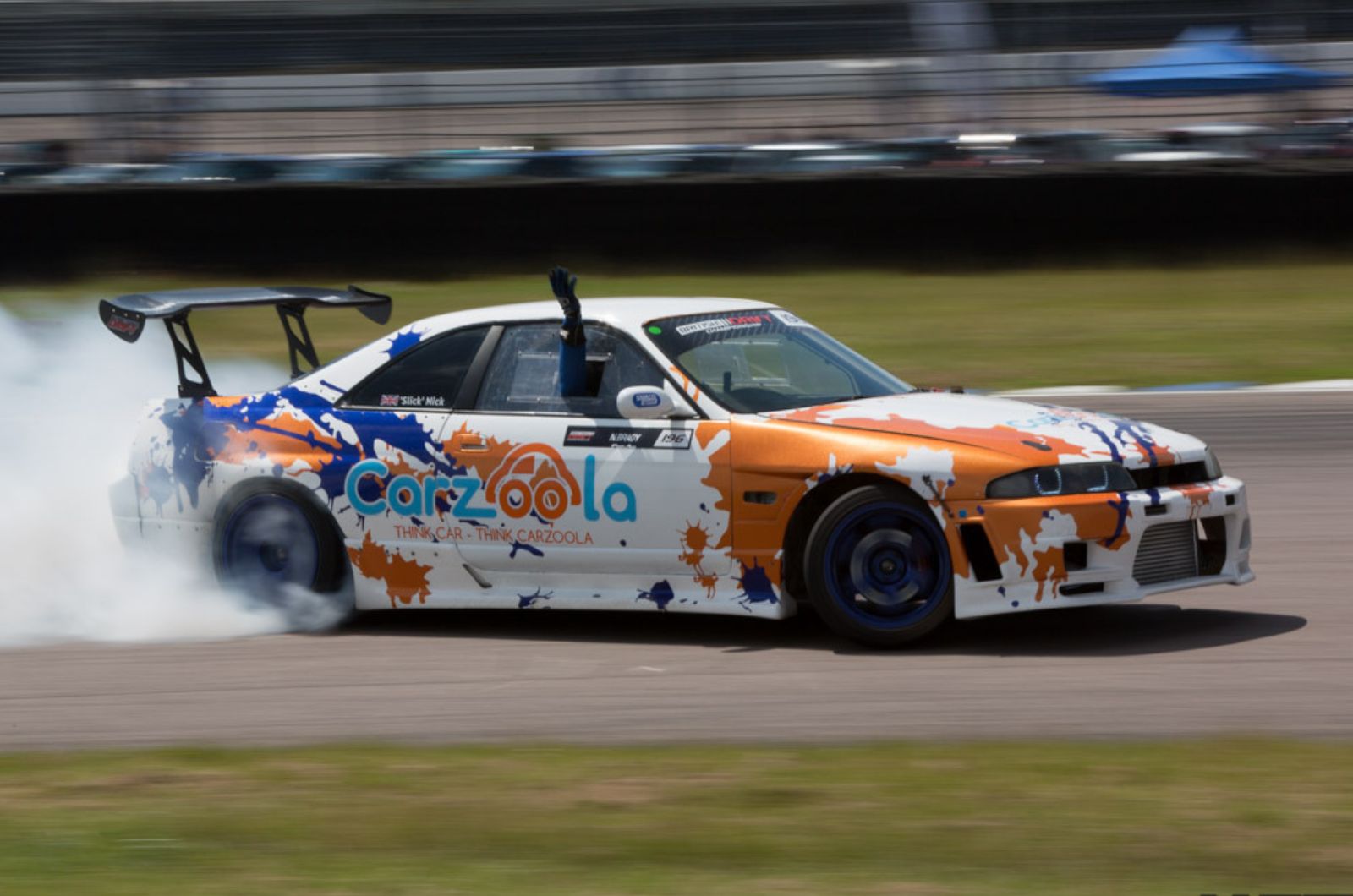
D1 was what really helped globalise the sport, bringing in huge sponsorship deals, turning amateur drivers into recognisable stars, and convincing manufacturers like Mazda, Nissan and Toyota to make sure their cars could deliver from factory. Just three years later, grassroots drifting had already become a thing in America, which laid the groundwork for the Formula Drift series soon after.
The story of drifting is nothing short of incredible: what started as an ingenious method to cut lap times soon blossomed into one of the world’s most chaotic motorsports. But do you still really believe that chaos can’t be art?
Words Shafiq Abidin
Comments
Loading comments…