Dodge Viper GTS-R Concept: here’s how this sleek exotic influenced its future kin
The SR-generation Viper was a huge success in motorsport, and Dodge wanted to recapture some of that magic for the road. This is the one-off that made it happen
Dodge Viper. The name alone sends excitement rippling through your synapses, and there’s good reason for that. Across 26 years, five models and three platforms, this brutally analogue machine redefined what an affordable exotic road car could be, while giving far more sophisticated supercars a beatdown on track. It has left one hell of a legacy, and yet the most important part of its story is unknown to many.
The year is 1998. Dodge was in a strong financial position thanks to the success of models like the Durango and the RAM pickup, and it wanted to head into the new millennium with a statement. What better way to do that than to siphon the Viper’s on-track success into an evolutionary road car?
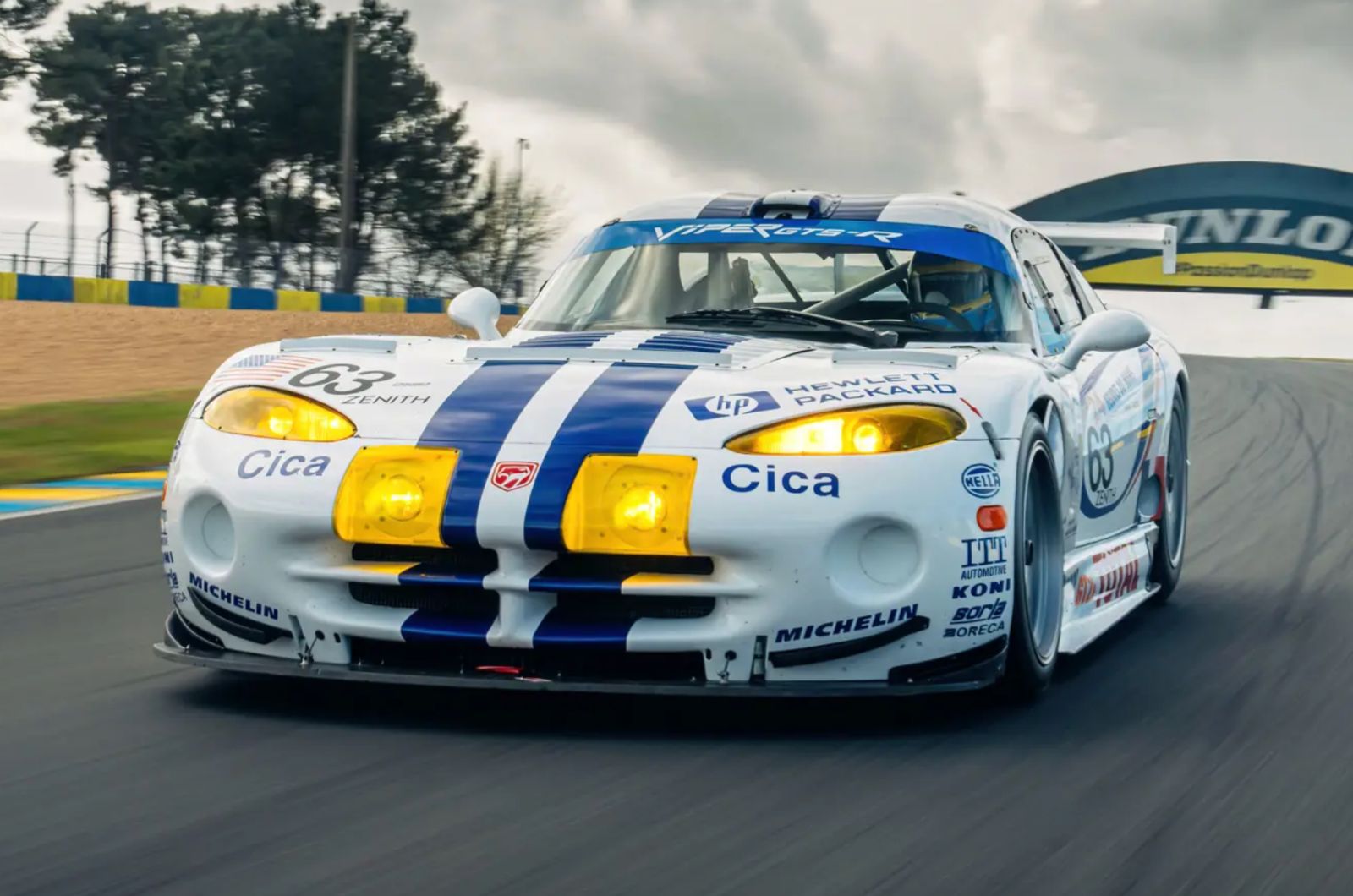
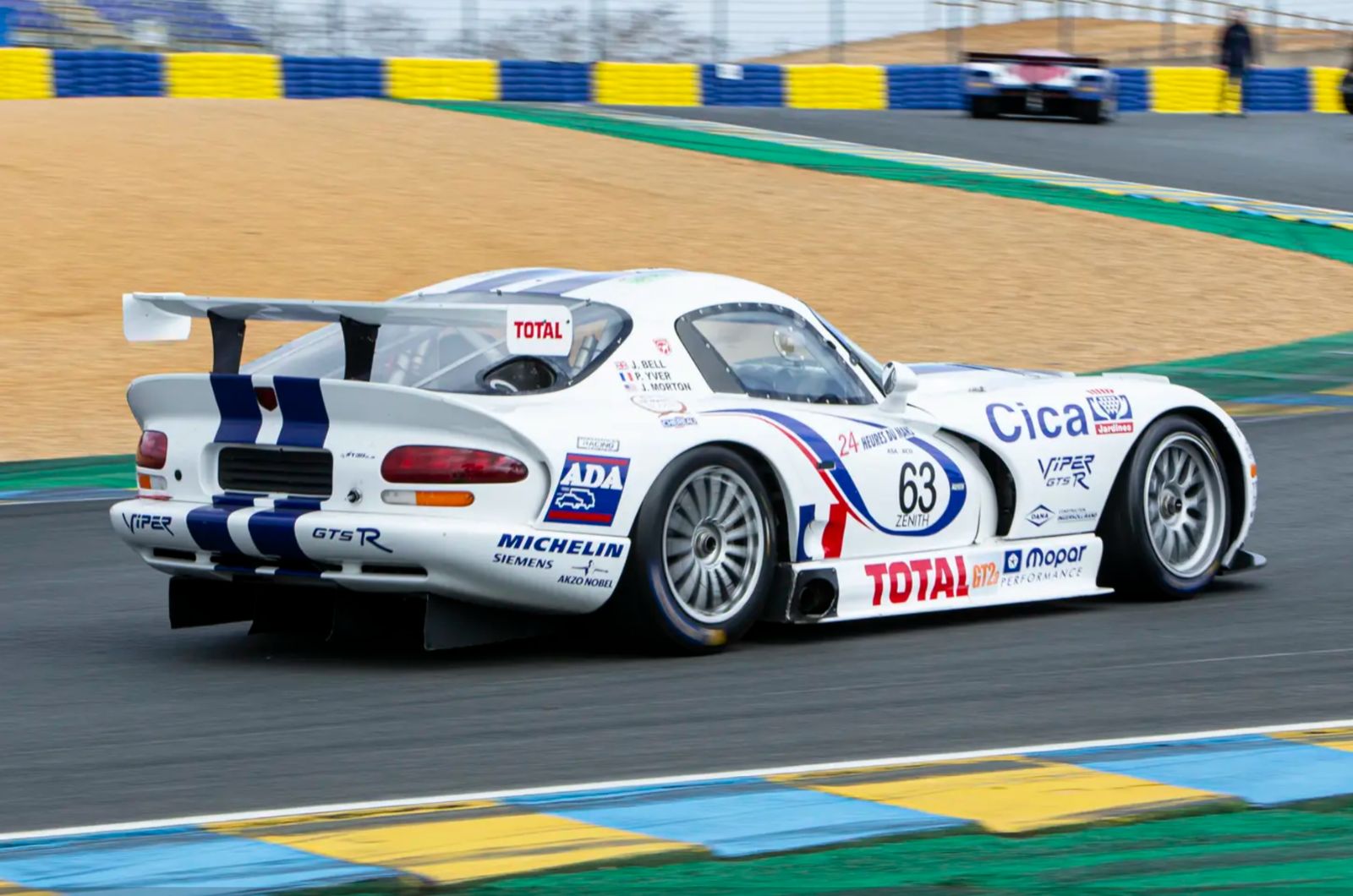
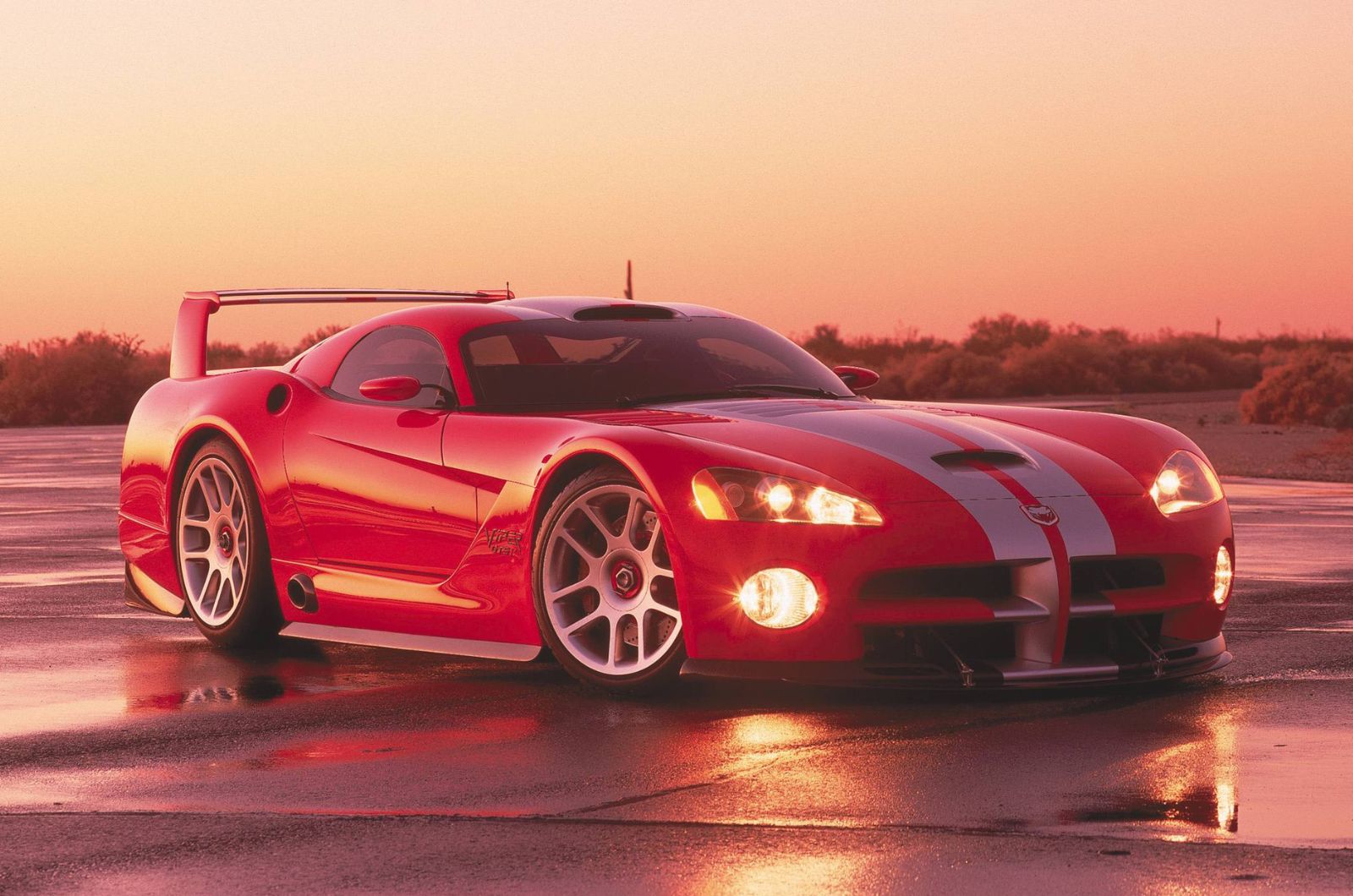
Ideas began to bounce around boardrooms and garages for a concept car – codenamed the ‘GTS-R’ – which would usher in a new dawn for the Viper. The first step was to rope in acclaimed Japanese design guru Osamu Shikado, and his priority was to move away from the first-generation (SR) model’s shell-shaped body into a more taut, angular build that mirrored the supercars of the time.
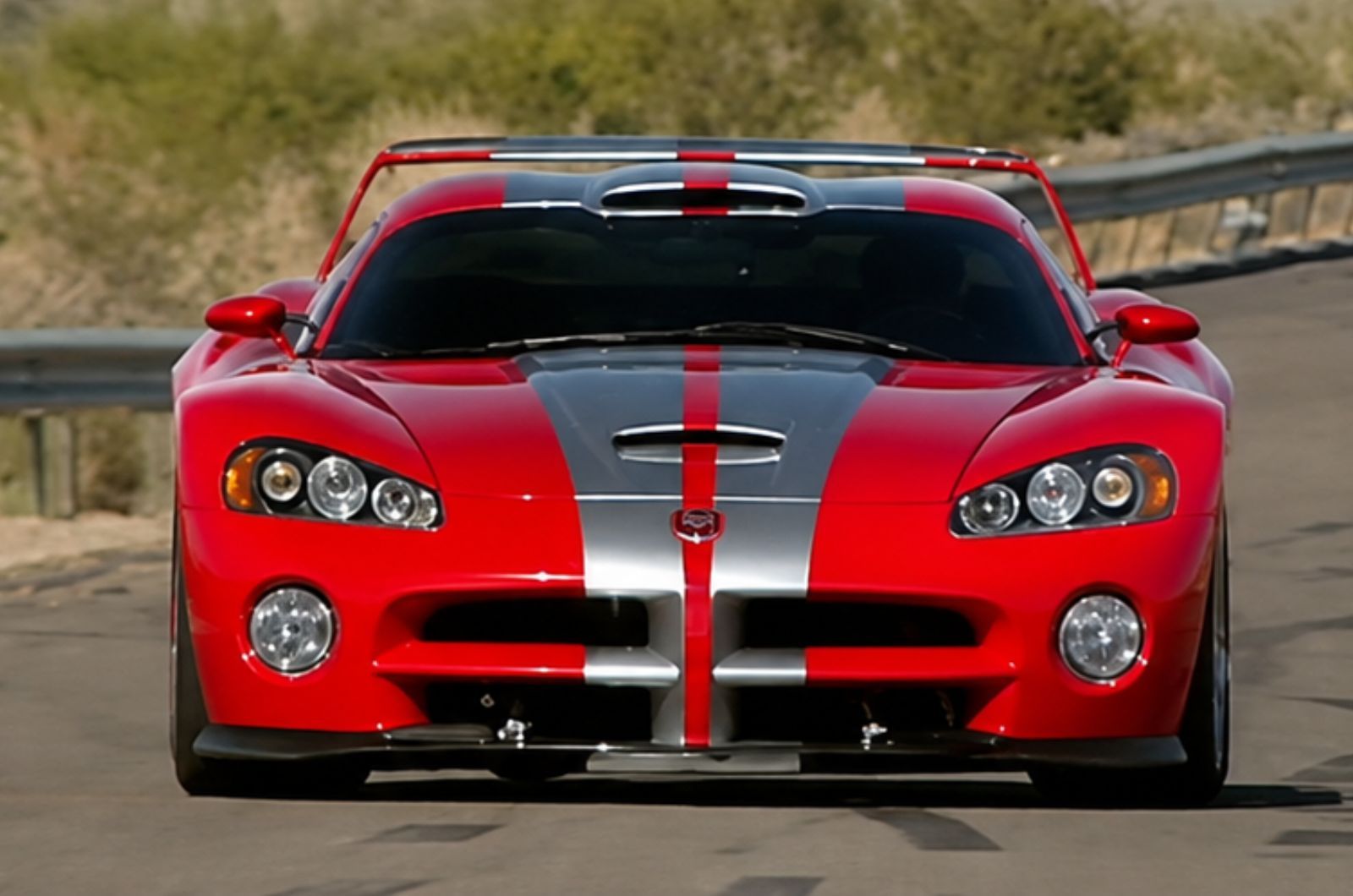
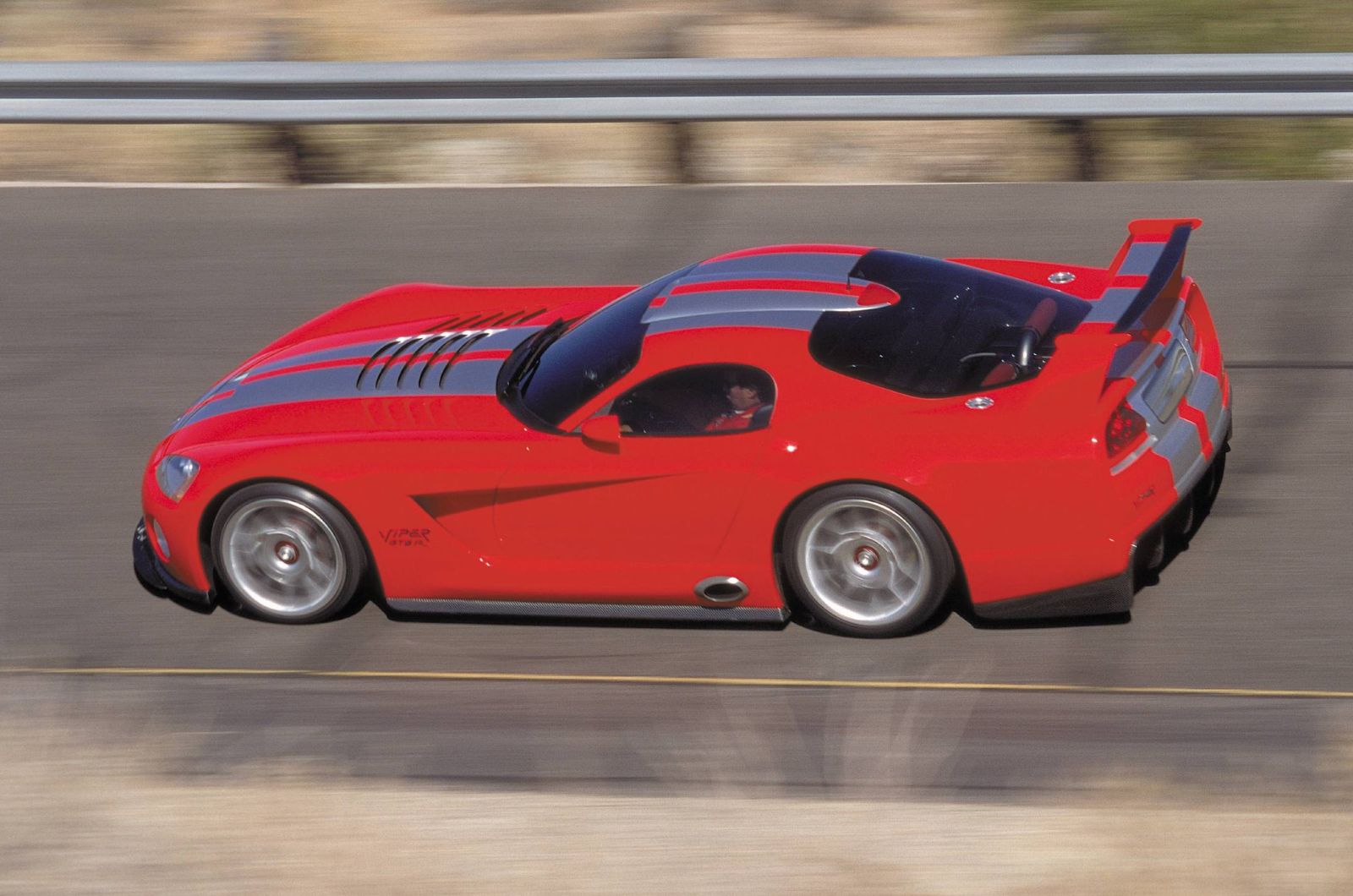
Shikado's solution was an altogether more aggressive stance: he dropped the chassis by three inches, widened the track by two inches, raised the beltline and lowered the roof profile. These small but meaningful adjustments gave the GTS-R a far more exotic look than the SR cars.
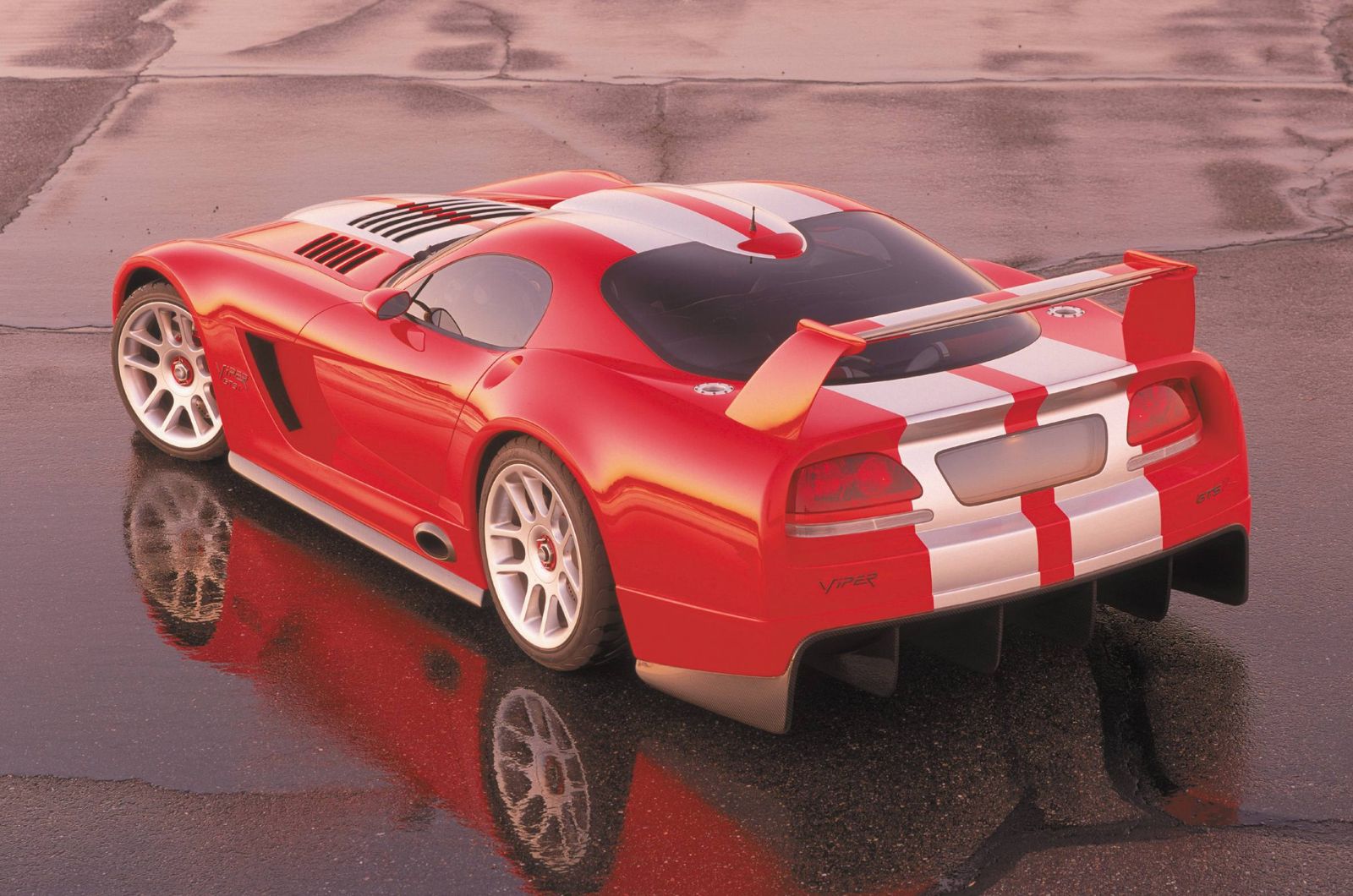
Shikado then added a few personal touches, like sharp horizontal creases to the doors and scalloped side vents along the front wheel arches. He reimagined the iconic teardrop headlight signatures too, and tapered the racing stripes along the top, giving it a sense of forward motion even when it was still.
Dodge executives were adamant about making the GTS-R a fully functional car, so the program’s engineers had to find a way to develop the SR’s 8.0-litre V10 engine. They did so by swapping out the wet-sump lubrication system for a dry-sump unit, recalibrating the ECU’s fuel map and ignition timing settings, and then restyling the car’s front section to improve airflow and heat management.
The desired 500bhp/500lb-ft target was achieved – 50bhp and 12lb-ft more than the final SR cars – with testing suggesting a 0-62mph time of 3.9 seconds and a top speed of 200mph. For some perspective, that would make the GTS-R a match for the car that had just won back-to-back FIA GT Championships – the Mercedes CLK GTR.
Race-developed 14-inch ventilated brake discs and four-piston calipers were employed to rein in some of that V10’s raw ferocity, while a combination of sticky Goodyear ZR tyres and independent aluminium suspension helped harness that performance in the corners. What’s more, heavy use of carbon fibre meant a kerb weight of just 1,476kg – again, competitive with the CLK GTR.
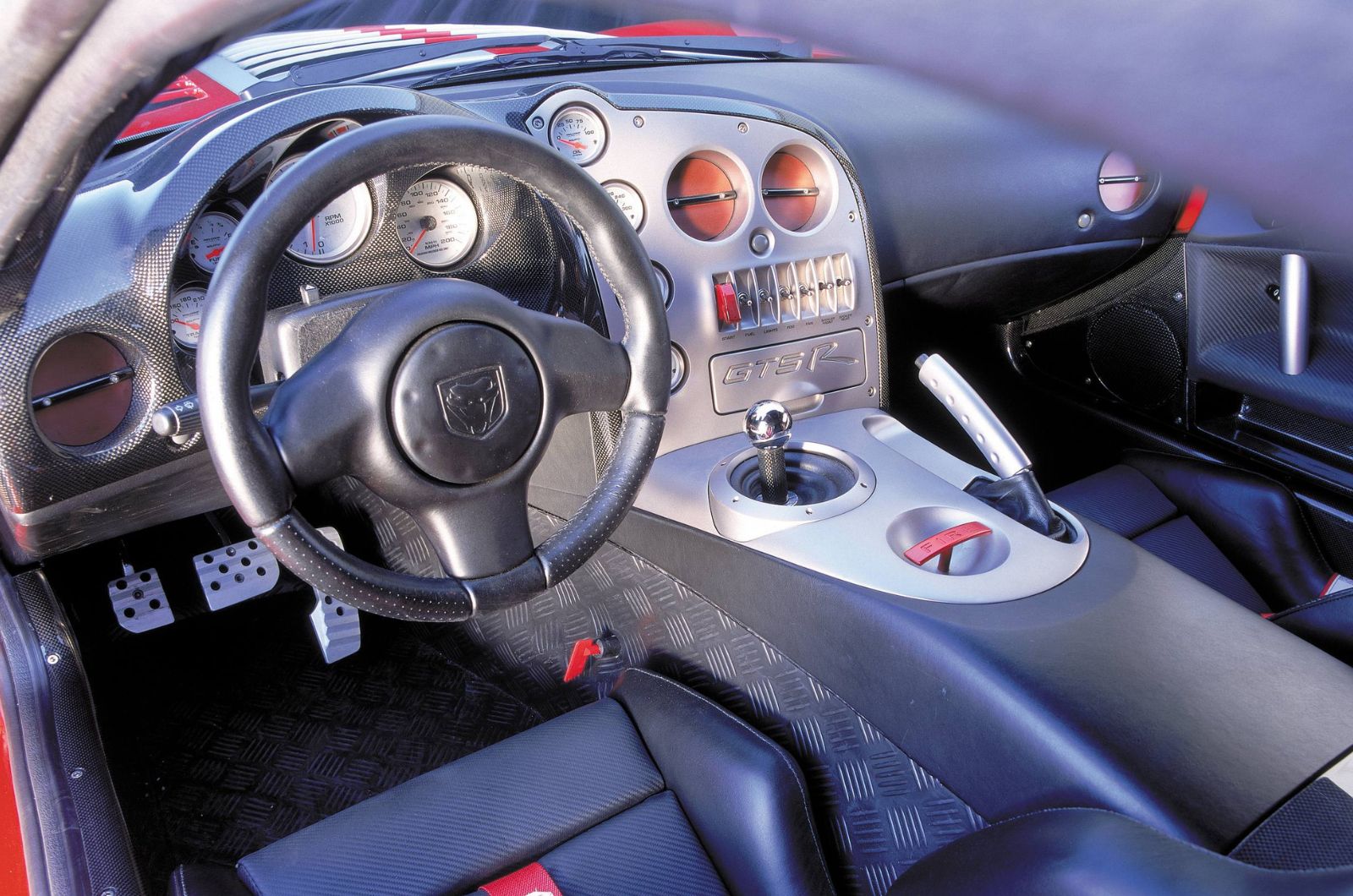
Plenty of work went into the interior too, which featured a host of creature comforts like adjustable pedals, air conditioning, a radio and bucket seats with five-point harnesses. Combined with a less cluttered centre console, the GTS-R previewed a Viper that would be far more user-friendly than its predecessors. It proved a massive hit.
Just over a week into the new millennium, at the 2000 Detroit motor show, the covers were pulled on the GTS-R to a rapturous audience. Press and regular showgoers alike were blown away by its design, with Shikado receiving huge praise for the low-slung stance, enormous hoop-styled rear wing, side-exit exhausts pulled from the Le Mans program, and the reinterpreted teardrop lights. Dodge, meanwhile, was lauded for supplying the GTS-R with an actual interior, and for coming good on its promise of a working prototype.
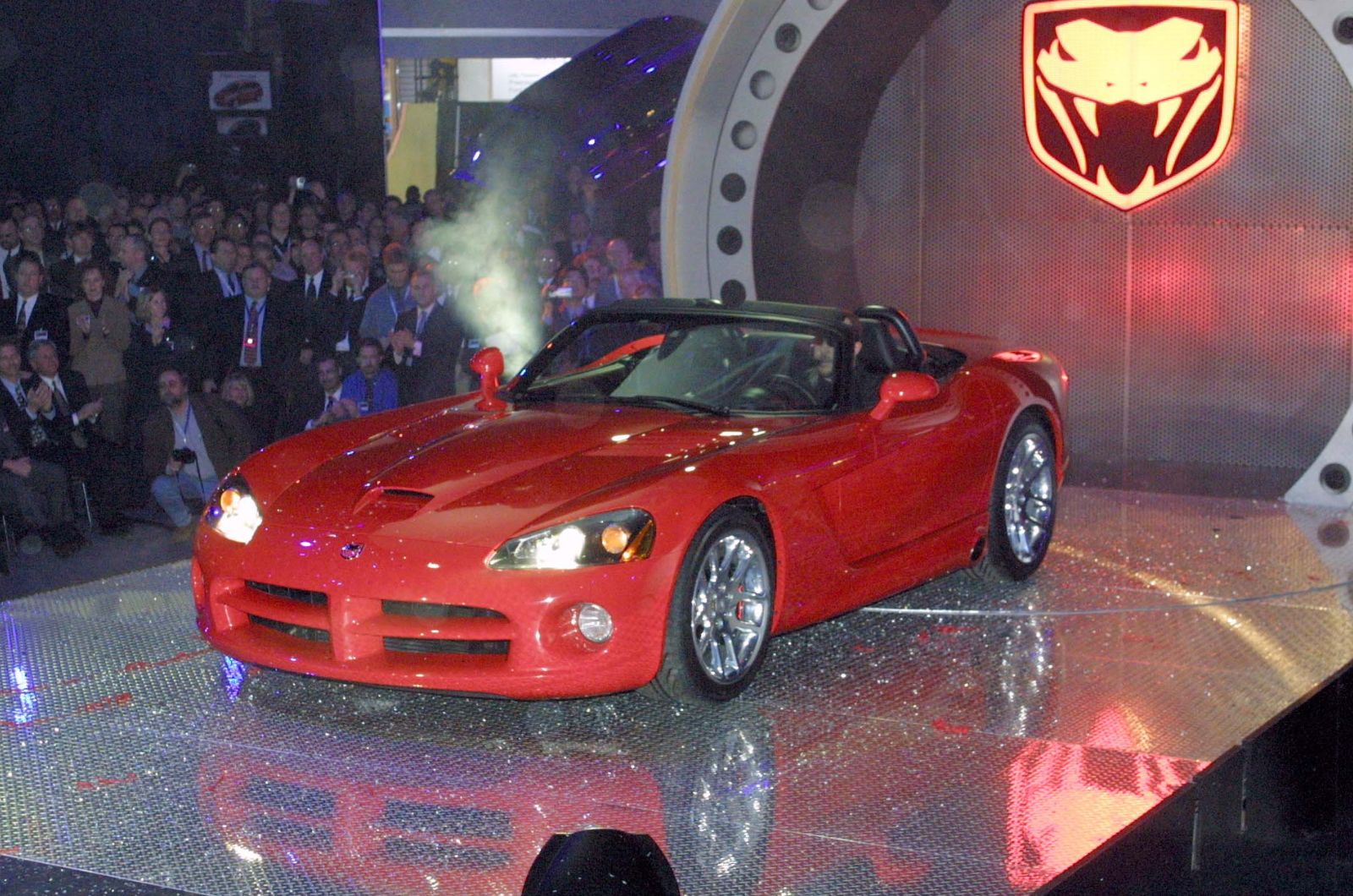
But when the dust settled, the same question was on everyone’s mind: would Dodge actually put this car into production? The world would find out exactly one year later, at the same event, when the second-generation (ZB) Viper was officially revealed. The expectations were high, but unfortunately, the ZB received a far more mixed reception.
On face value, it was a much more sanitised design than the GTS-R – no stretched silhouette, no oversized rear wing, no race-inspired roof scoop and a far less imposing stance. It’s easy to understand the frustration, but in truth, a closer look revealed that the ZB made plenty of subtle nods to the GTS-R.
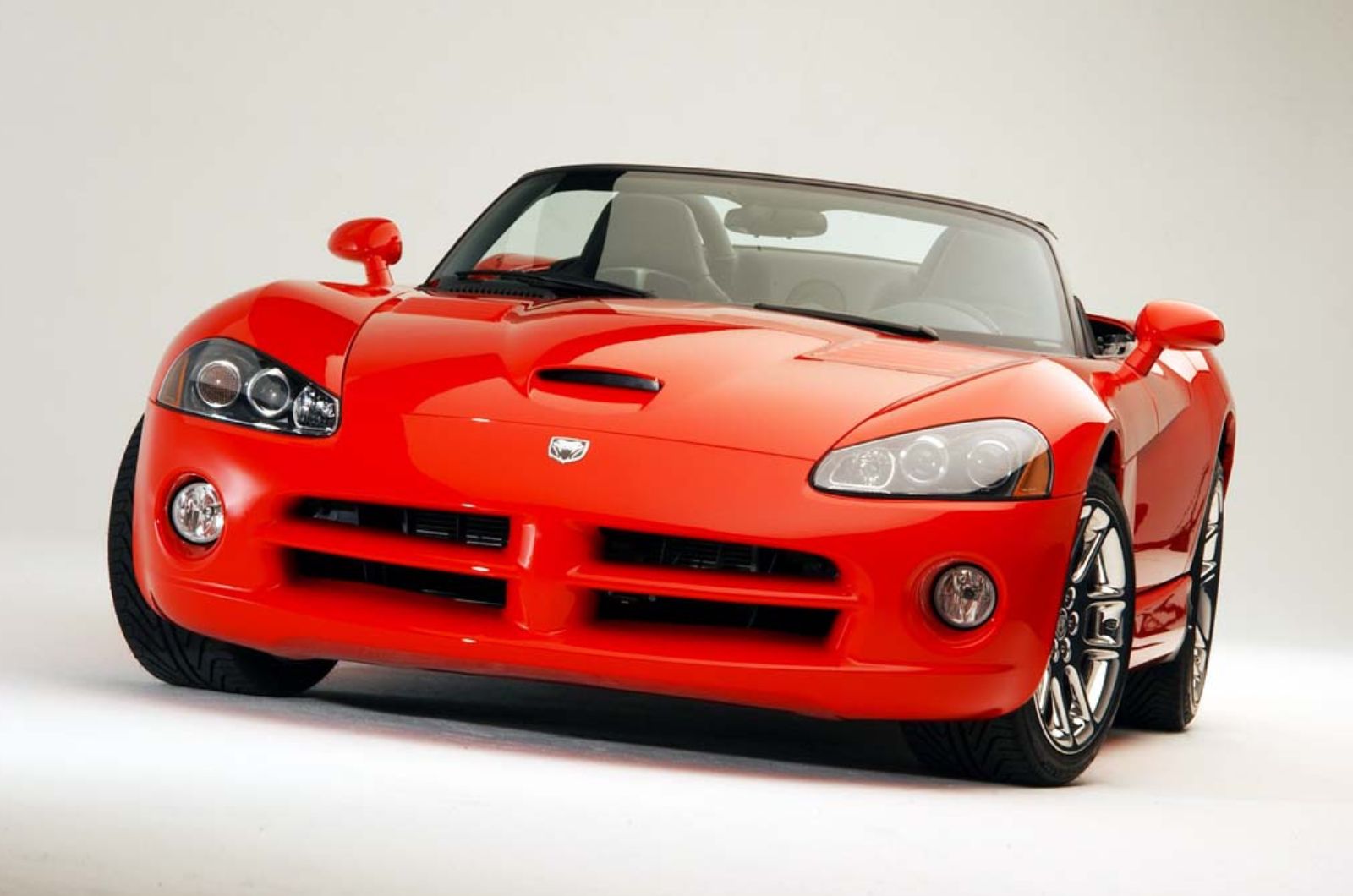
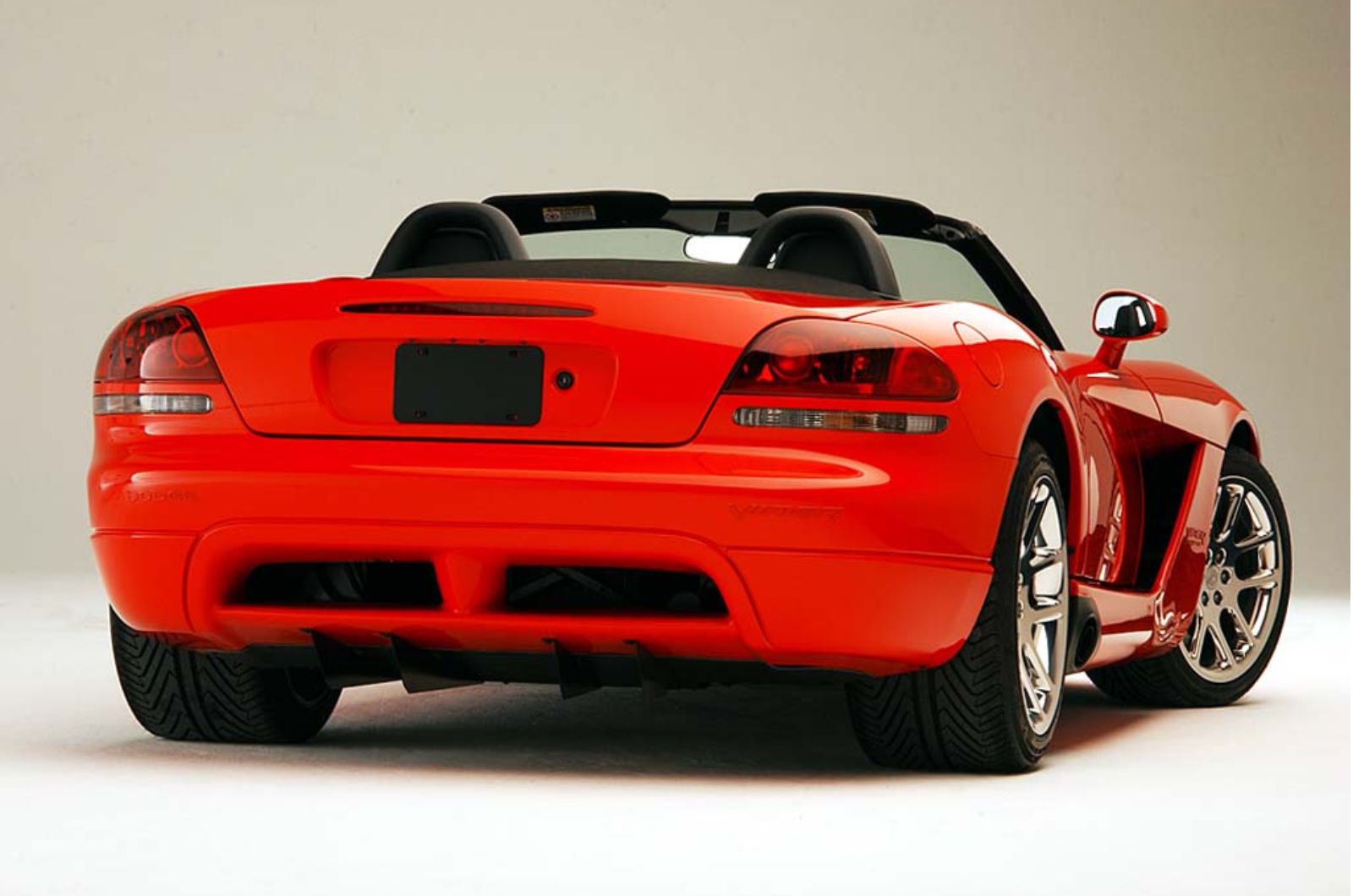
The side-exit exhausts remained, and as Jeremy Clarkson once hilariously pointed out, even came with their own warning stickers. Those scallops we saw on the GTS-R’s doors were retained too, and so were the sharp lines along the wheel arches. Among the ZB's defining traits were its wide haunches and raked appearance – both direct results of the GTS-R's high beltline. Peel away the GTS-R’s lower splitter and bring its front elements a little closer together, and what you end up with is the ZB.
Mechanically speaking, one of the GTS-R’s core engineering principles was to feature a longer wheelbase, so the engine could move further back for better weight distribution. This philosophy was carried forward to the ZB, which was 2.6 inches longer than the SR. Its engine had also grown to 8.3 litres, producing more power (503bhp) and torque (525lb-ft) than its conceptual sibling, while getting to 62mph one-tenth quicker (3.8 seconds). Top speed was capped at 189mph, but that’s hardly a compromise, mind.
So even though the ZB wasn't a like-for-like replica, the GTS-R had a far greater influence on the production car than most concepts ever do. It took the lessons of the original Viper and helped bridge the gap to the more sophisticated second- and third-generation cars, lifting the lineage from the fringes of supercar royalty to a place firmly among them. For that reason alone, it simply must be remembered as one of the greatest unicorn cars of all time.
Comments
Loading comments…